
↓
Marker Training
Mark and Reward:
Your Dog's 'You Got It!' Signal
(And Why They Think You're Speaking in Clicker Code)
Mark and reward training: it's all about clear communication. You're telling your dog, 'Yes! That's exactly what I wanted!' at the precise moment they do it right. It's like giving them a gold star for good behavior, but with more treats involved. And a weird clicking noise. Or a strange word. Depending on your preference.
The Art of Instant Feedback (And Why Your Dog Loves 'Good Dog'... Or Whatever Weird Word You Choose)
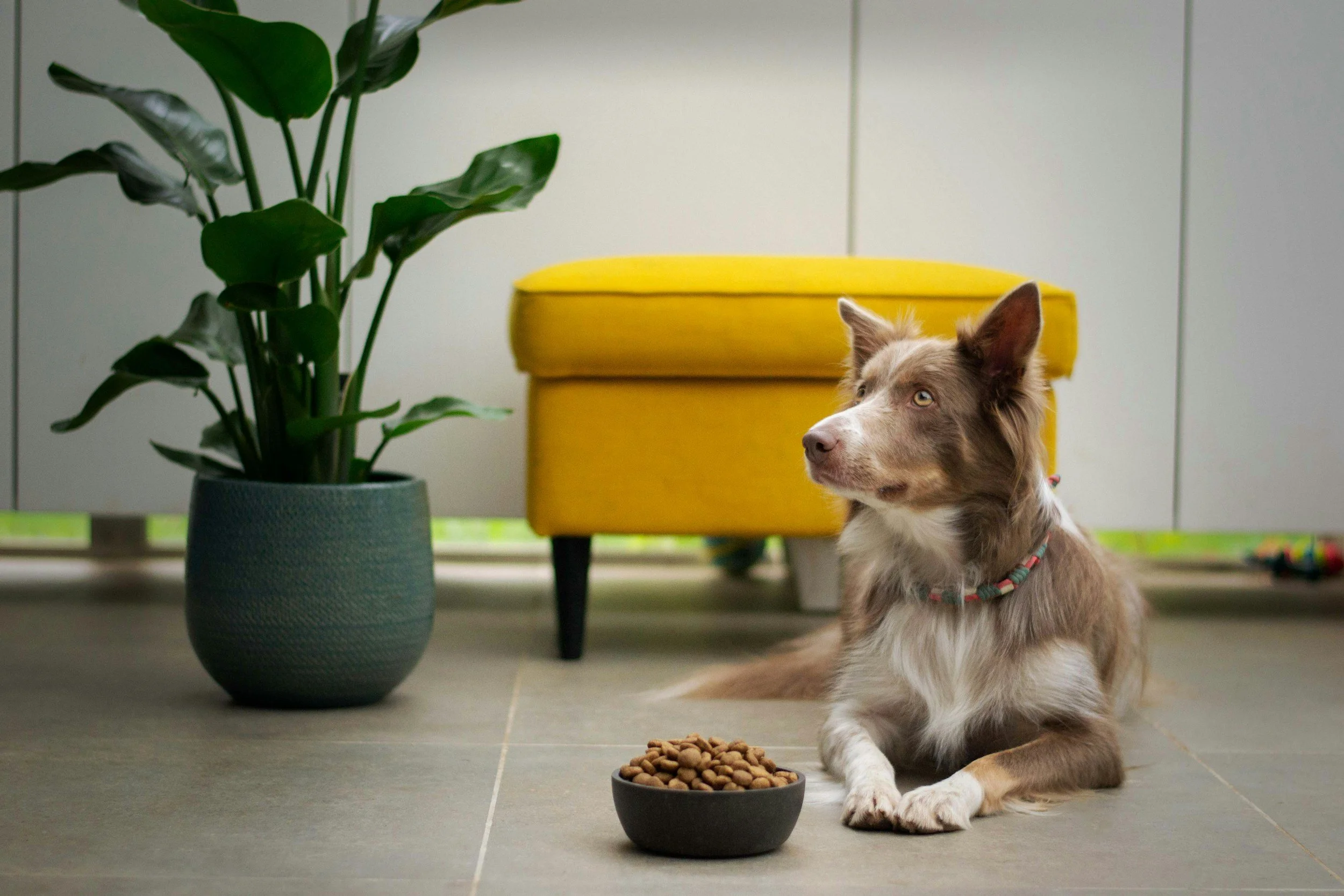
The idea behind this method is to use a sound or word to instantly mark the desired behavior. It's like a 'ding!' in their brain, telling them they've hit the jackpot. Marker words like 'good dog,' 'yes,' or 'banana hammock' become rewards themselves. They're like a verbal high-five. Or a verbal declaration of questionable fashion choices.
CHOOSING YOUR MARK (The Perfect 'Yes!'... Or 'Flugelhorn')
Natural Expression: Choose a word that comes naturally when you're happy. It should feel genuine. Or, choose a word that makes you giggle every time you say it.
Infrequent Use: Don't use the marker word in everyday conversation. Save it for training. It's like having a secret code. Or like having a word that makes your dog look at you like you're speaking a foreign language.
Short and Sharp: Keep it short and sharp. Like a quick 'yes!' or a click. Or a short and sharp rendition of a kazoo solo.
Distinct Sound: Don't confuse it with your dog's name or other commands. It needs to be unique. It's like giving them a unique password. Or like giving them a sound that makes all the other dogs jealous.
TEACHING THE MARKER (The Pavlovian Connection... Or Why Your Dog Might Start Salivating at Random Noises)
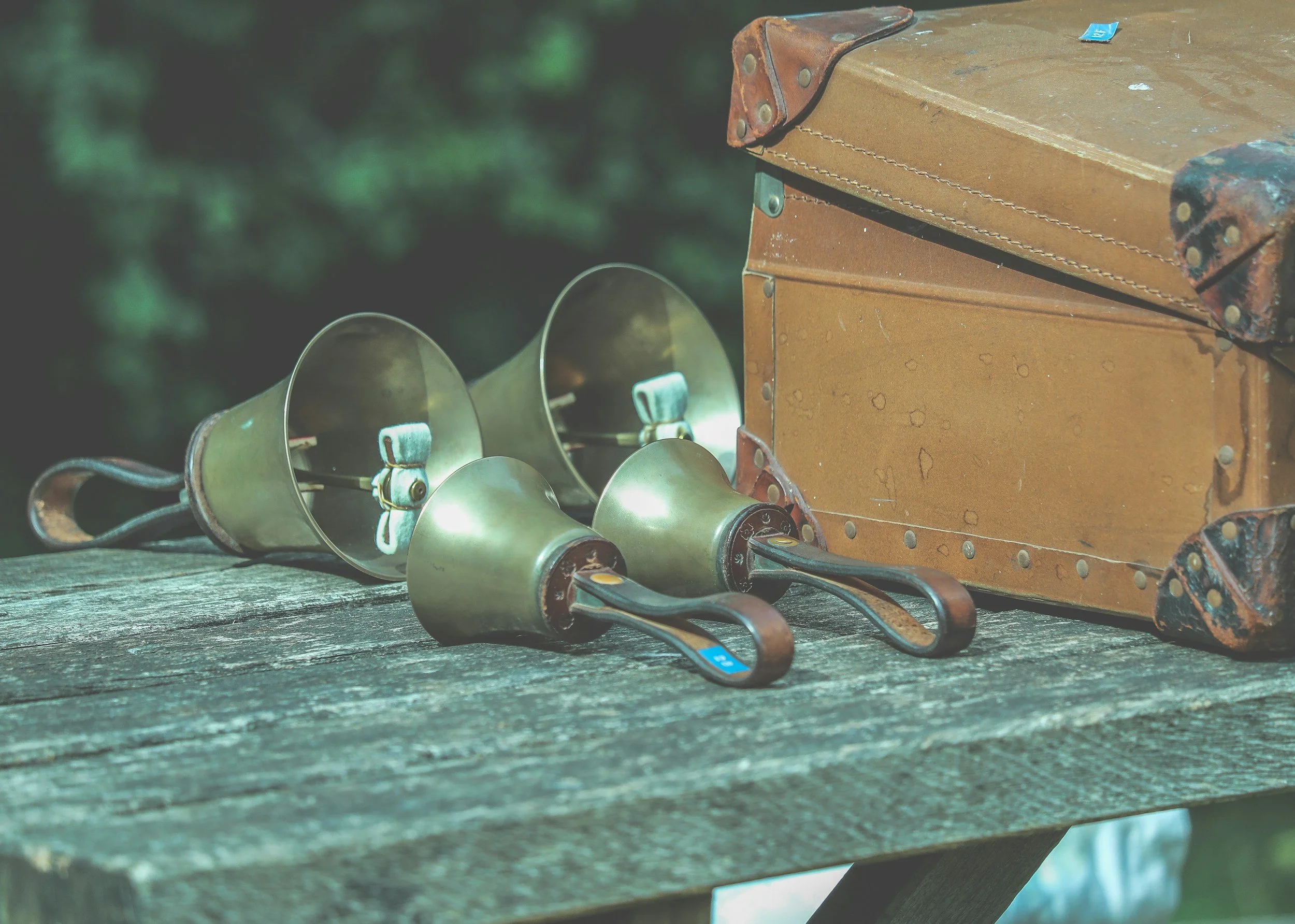
Mark and Treat: Say the word or click, then immediately give a treat. Repeat 10-15 times for a few days. It's like creating a Pavlovian response. Or creating a dog that salivates at the sound of a bell.
Excitement Response: The training is successful when your dog gets excited at the sound, before the treat. They've made the association. It's like your dog finally understanding a joke. Or like your dog finally realizing that you aren't just making random noises.
Classical Conditioning: You're teaching your dog to associate the sound with the reward. It's like Pavlov's dogs, but with more treats and less drool. Or like training a dog to think that a click means a treat is coming, even when it’s not.
The Bridge to Success... Or The Tiny Noisemaker That Rules Them All
Strong Association: "Clicker training builds a strong association between the mark and pleasure. It's like a direct line to your dog's happy place. Or like a direct line to your dog's treat-loving heart."
Distance Reward: "It allows you to reward behaviors even when your dog is out of reach. It’s like a remote control for good behavior. Or a remote control for treat delivery. If only."
Treat Replacement: "Eventually, the mark itself becomes rewarding. It's like your dog's internal 'good job' signal. Or like your dog thinking you finally understand them."
The Crucial Factor... Or Why Your Dog Might Think You're a Time Traveler
Timing is crucial. Mark and reward at the exact moment of the desired behavior. It's like hitting a bullseye. Or like catching a fly with chopsticks. Every attempt at good behavior should be rewarded. Immediately. Or, within the next 3 seconds, because your dog is not known for their patience.
The Nitty-Gritty Details
Or Why You Might Sound Like a Robot
-
The Marker's Role:
A neutral sound or word signals the dog has performed the desired behavior. Then, they get a reward. It's a two-step process: mark, then reward. It’s like a tiny, treat-dispensing robot lives in your mouth.
-
Timing Is Key:
Communicate precisely and clearly. Mark the exact moment of the desired behavior. It's like capturing a perfect snapshot. Or like trying to win a staring contest with a squirrel.
-
Surprise Rewards:
Deliver rewards in a varied and unpredictable way. Change hands, bounce a ball, keep it interesting. It’s like a canine lottery. Or like trying to keep your dog from predicting your every move, because they are smarter than you think.
-
Mark Before Reward:
Never reward before marking. Mark the behavior first, then deliver the reward with minimal lag time. It’s like saying, “You win!” before handing over the prize. Or like saying, "You win!" before your dog tries to eat the prize.
-
Hide the Treats:
Use a bait pouch or hide treats behind your back. It adds an element of surprise. Or, it adds an element of 'where did all the treats go?'
-
Reward Value:
A reward is anything your dog loves. Start with treats, then move to toys and praise. It's like knowing your dog's love language. Or like knowing what snack your dog would steal from your hand if given the chance.
-
Treat Size Matters:
Use soft, easy-to-chew treats, no larger than your pinky finger's first knuckle. Break larger treats into smaller pieces. It’s like giving them bite-sized happiness. Or like trying to avoid your dog choking on a treat the size of their head.
-
Leave Them Wanting More:
End training sessions on a successful note. It's like leaving a good movie before the credits roll. Or like ending a conversation before your dog starts barking at the wall.
The Power of Positive Communication... And Why Your Dog Might Just Start Talking Back in Clicks
Mark and reward training is about clear, positive communication. It shows your dog exactly what you want and reinforces good behavior. Be patient, be consistent, and your dog will become a well-behaved companion. And remember, it is a very rewarding experience for both dog and owner. Or, at least, it will be until your dog starts trying to click at you to give them treats