

↓
Systematic Desensitization
Turning Fear into 'Meh'
(One Tiny, Slightly Ridiculous Step at a Time)
Systematic desensitization: it's not about throwing your dog into the deep end of their fears. It's about gently nudging them towards calmness, one small, possibly absurd, step at a time. This behavioral modification technique aims to change your dog's emotional response to triggers that cause fear or anxiety. Think of it as therapy, but for dogs. And maybe for you, because dealing with a terrified dog is stressful.
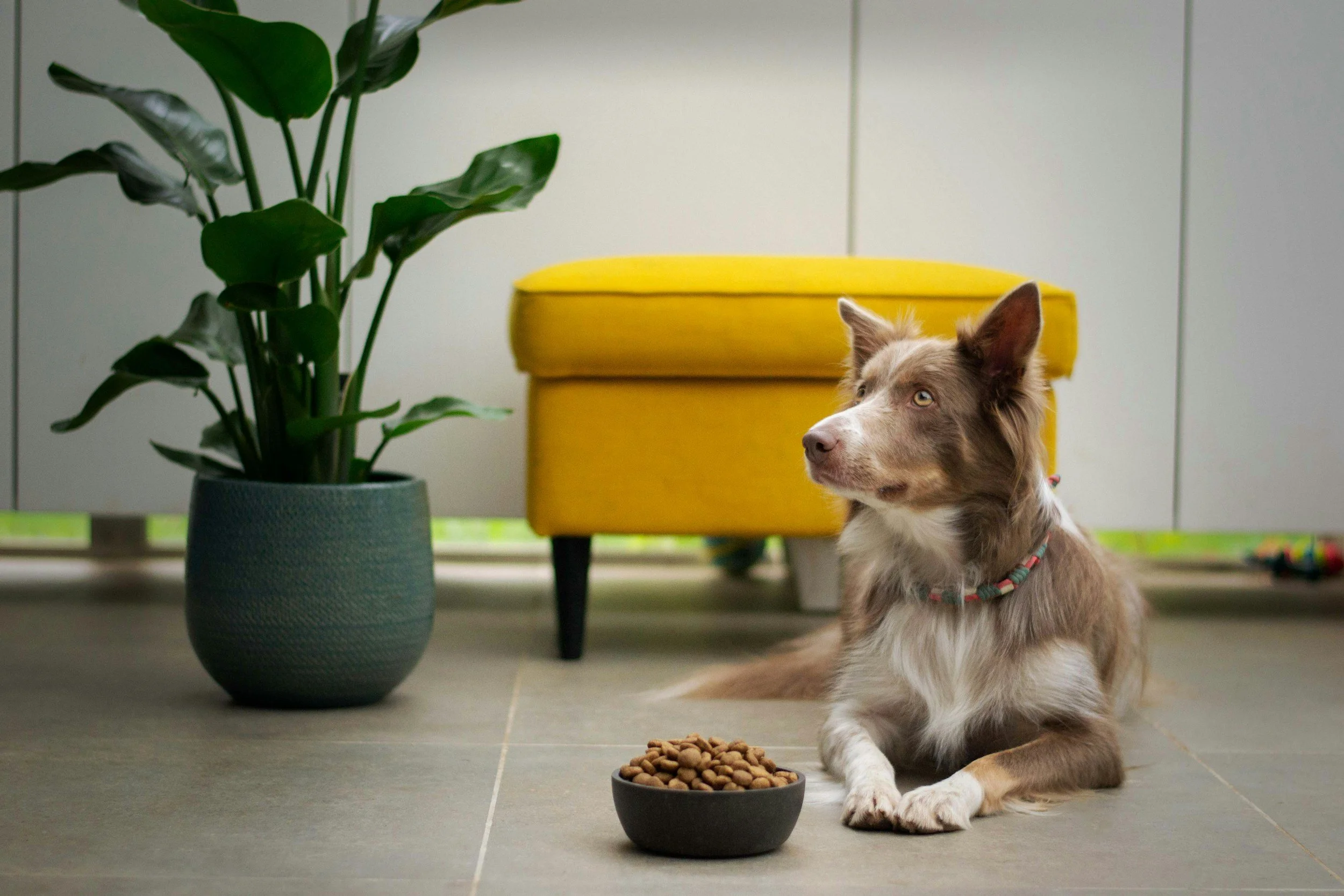
The Gradual Approach to Fear Reduction (And Why Your Dog Might Think You're Playing a Cruel Joke)
Developed by psychiatrist Joseph Wolpe, this technique was originally used on humans to reduce anxiety and fear. Now, it's a vital tool for dog trainers helping dogs overcome fears of objects, people, or other dogs. It's like building a bridge over your dog's fear, one tiny, wobbly plank at a time. Or, from your dog’s perspective, you're slowly torturing them with their worst nightmares, but in a very controlled way
The Science of Gradual Exposure... And Why You Might Need a Spreadsheet)
Systematic desensitization involves exposing your dog to a low-level trigger, gradually increasing the intensity as they become more comfortable. It's the opposite of flooding, where the dog is exposed to the highest level of stimulus all at once. Think of it as a slow and steady approach versus a sudden plunge into a pool of, say, clowns. Or squirrels. Or whatever your dog fears.
The Roadmap to Calmness
And Avoiding Canine Meltdowns
Create Levels:
Break down the exposure into levels, based on distance or intensity. The number of levels depends on the issue and your dog's temperament. It’s like a video game, with increasing difficulty levels. Or a very, very slow-paced horror movie.Organizing the Environment:
Control your dog's exposure to the trigger. Only expose them in controlled training sessions. It’s like creating a safe space for learning. Or a controlled environment for a fear experiment.Creating Situations:
Repeated exposure is key. Create situations where your dog is exposed to the trigger at a safe distance. It’s like rehearsing for a performance, but with less stage fright. Or like setting up a mildly terrifying obstacle course.Patience is Key:
This process takes time. Rushing will only lead to setbacks. It’s a marathon, not a sprint. Or, it is a very, very long and slow walk.
-
Locate the Stressor (Trigger):
Identify what causes your dog's fear response. It could be anything: objects, situations, environments, animals. Every dog has unique triggers. It’s like detective work, but for dog behavior. And maybe a little bit of therapy for you, because some dog fears are just plain weird."
-
Find a Safe Distance:
Find the distance at which your dog shows minimal or no reaction to the trigger. This is your starting point. It’s like finding the sweet spot. Or, the distance at which your dog thinks, 'Okay, I can tolerate this level of mild terror.
-
One Step at a Time:
Focus on one trigger at a time. Don't overwhelm your dog with multiple triggers. It’s like multitasking, but for dogs, and they’re not good at it. Or, like trying to avoid giving your dog an existential crisis.
-
Employ Calming Signals:
Your energy affects your dog. Stay calm and relaxed. Dogs pick up on your emotions. It’s like being a zen master for your dog. Or, like trying to convince your dog that you're not secretly plotting their demise.
The Power of Gradual Progress... And Avoiding Canine Panic Attacks
The specific steps vary depending on the situation and the dog's fear level. The key is to understand your dog's emotional state. Systematic desensitization teaches your dog to remain calm around triggers. Treats are used to reinforce calmness, and punishment is avoided. It’s like positive reinforcement therapy, but for your furry friend. And remember, sometimes the best way to deal with fear is to just laugh at it... after your dog is calm, of course.