
↓
Classical Conditioning
Your Dog's Superpower
(And Why They Know You're Home Before You Even Park)?
Ever wondered if your dog has a sixth sense? Like, they know you're pulling into the driveway before you even turn off the engine? It's not ESP (extra-slobbery perception), it's classical conditioning! Your dog is a master of association, picking up on subtle cues that escape our human senses. They're basically furry detectives.

The Art of Association
(And Why Bells Make Dogs Drool)
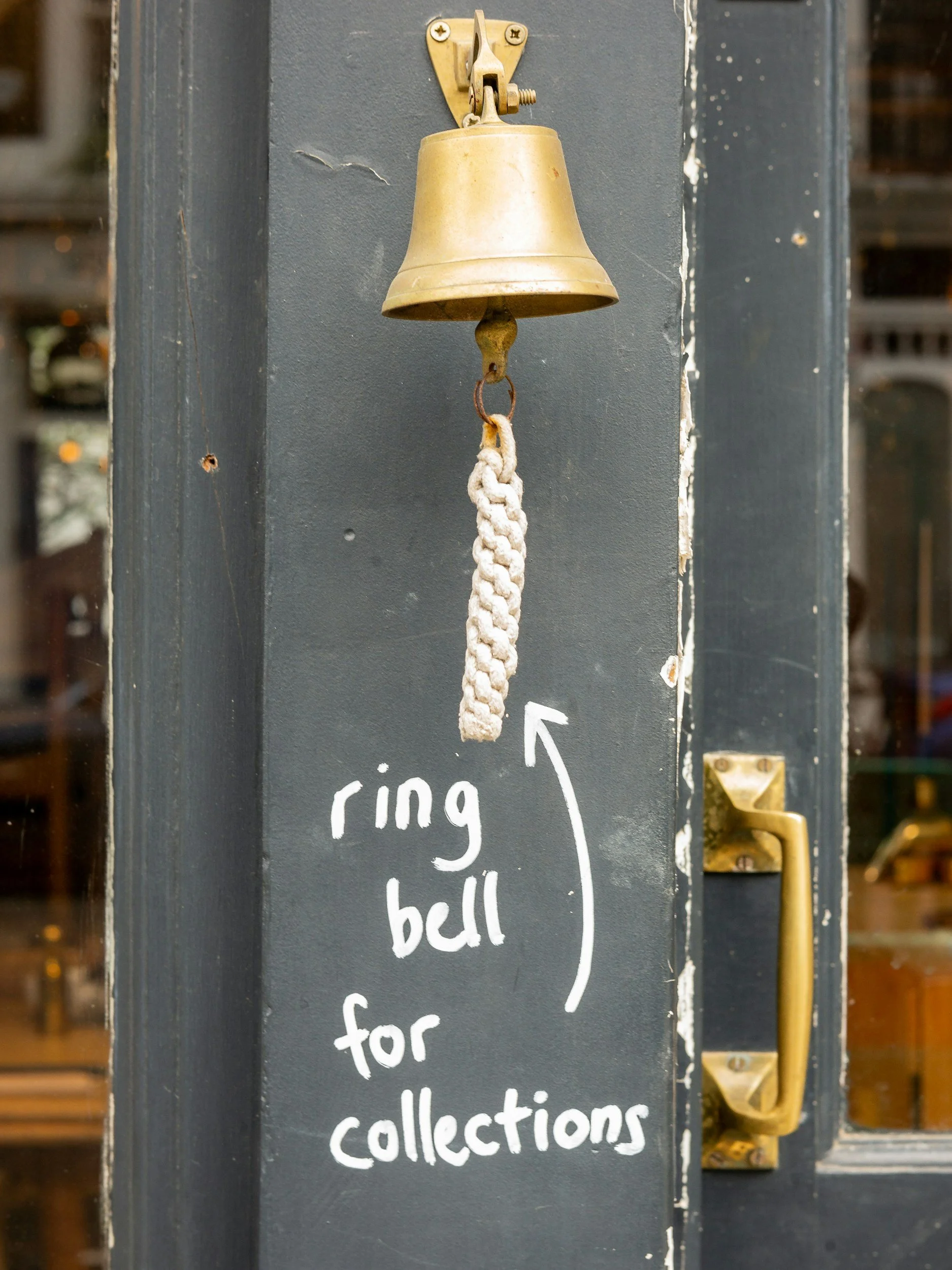
Classical conditioning is a learning process where your dog learns through association. It's like training their innate reflexes to react to signals. Over time, they become experts at connecting the dots. Understanding this will help you grasp how your dog comprehends, relates to, and interprets the world around them. It's also known as Pavlovian or associative learning, thanks to Ivan Pavlov, the Russian physiologist who discovered that dogs drool for bells. (Well, for food, but the bell was the real star.)
PAVLOV’S PRINCIPLES OF CLASSICAL CONDITIONING
(The Science Behind the Drool)
The Unconditioned Response: The dogs' natural drool fest when they saw or smelled food. Because who doesn't love dinner?
The Unconditioned Stimulus: The sight or smell of the food itself. The real MVP.
The Conditioned Stimulus: The ringing of the bell, which initially meant nothing to the dogs. But Pavlov changed that.
The Conditioned Response: The dogs drooling at the sound of the bell, even without food. Mind. Blown.
Examples
Real-Life "Aha!" Moments
-
The Leash Excitement:
If your dog loves walks, they probably get excited just by hearing the leash jingle. That's classical conditioning in action! They've associated the sound with the joy of sniffing fire hydrants.
-
The Vet Anxiety:
Your dog might normally be cool with strangers, but those unpleasant vet visits can create a negative association. Now, the vet's office is the 'scary place.' (And who can blame them?)
-
The Leash Tension:
New puppy parents often tense up when they see another dog, pulling tightly on the leash. Your dog picks up on your anxiety and mirrors your behavior. Now, every dog encounter is a tense standoff. Oops.
Bob Bailey's Wisdom
(The TL;DR of Classical Conditioning)
Classical conditioning is like your dog's secret language. It's how they learn to connect the dots and anticipate what's coming next. Use this knowledge wisely, and you'll have a dog who's not only well-behaved but also thinks you're a mind reader. (Which, let's be honest, you kind of are.)